7 Steps to Get So Good at Valorant It Feels Like Smurfing
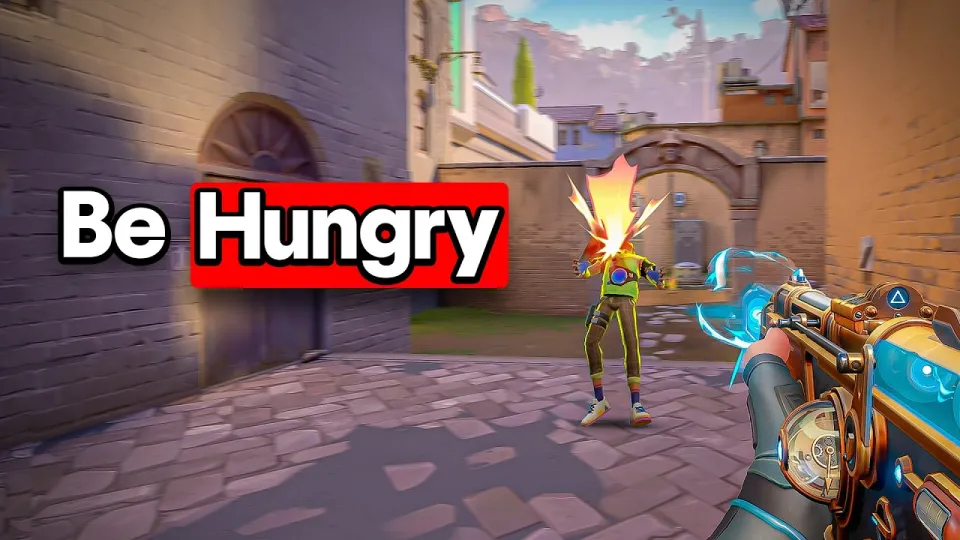
Video: How to Get So Good at Valorant it Feels Like Smurfing
Need articles like this for your video? They help promote it on YouTube and Google — order them in the Telegram bot @sat_sit_bot. The bot writes and publishes the articles itself (with your YouTube video embedded) on popular topical websites (no ads). Try it free: 50 articles on us.
Key takeaways
- The core of the method is reacting to the enemy instead of running a fixed plan, which makes you unpredictable in every duel.
- Movement discipline matters as much as aim: strafe, stop, then shoot, and drill it in the Range with movement error enabled.
- The Immortal Roadmap Program promises 5 divisions in 10 weeks, with free calls booked through roadmap.gg/v/lUfrMRb74SE.
- Konpeki's free coaching resources and office hours live in his Discord, alongside Twitch and social channels.
- Viewers report the advice translating into real climbs, including one player reaching Diamond after applying it.
To get so good at Valorant that it feels like smurfing, you stop playing a script and start reacting — every duel, every round, every read comes from what the enemy actually does rather than from a plan you decided on before the round began. That single shift, drilled until it is automatic, is what separates a player who wins their rank from one who looks two ranks above it. If you want a structured path instead of solo trial and error, Konpeki's Immortal Roadmap Program guarantees 5 divisions in 10 weeks and starts with a free call to see whether you fit.
What Smurfing Actually Looks Like in Valorant
Smurfing looks less like god-tier aim and more like a player who is never where you expect. A smurf wins duels because they take them on their own terms: they peek when the enemy is mid-reload, they trade a teammate instantly instead of walking into the same angle one second late, and they rotate before the enemy team commits. The mechanical gap is real, but it is downstream of the decision gap — the smurf simply has more valid options in the same situation and picks the one the opponent is not ready for.
That is why copying a Radiant's crosshair placement alone does nothing. You can hold the same angle with the same sens and still lose, because you are holding it at the wrong time, from the wrong distance, with the wrong utility already spent. The method in Konpeki's breakdown is to rebuild the decision layer first, then let aim follow the decisions instead of the other way around.
1. Build a Reaction Habit, Not a Round Script
The first step is to replace pre-planned rounds with reactive ones. Before a round starts, you should know your role and your first contact point, but not the exact sequence of abilities you will press — that gets decided by what the enemy shows you. If the enemy team stacks a site, you do not force the same execute you practiced; you take the space they left and make them pay for the rotation.
Practically, this means asking one question on every piece of information: what does this let me do that they cannot stop? A smoke on their entry means you can push the opposite side. A whiffed Operator shot means you can swing wide. A dropped Spike means you can play for the retake instead of the hold. Players who climb fast are not more creative by talent; they have simply trained themselves to notice these openings instead of defaulting to the same route.
2. Make Your Movement the Reason You Win Duels
Movement is the most underrated skill at every rank below Immortal. The rule is simple: strafe, stop, shoot, and never fire while your velocity is still carrying you. Counter-strafe by tapping the opposite key for a fraction of a second, then take the shot — that is what makes your first bullet land where your crosshair is instead of behind the enemy.
To drill it, go into the Range and turn on the movement error graph, then practice the side-to-side pattern: one shot per direction, firing only at the moment your movement switches. If you are unsure whether to release the keys or keep alternating, the honest answer is that both are used at high level, but for training you should exaggerate the stop — hold the opposite key long enough that the graph shows zero error, then shorten it over time. Once stopping is automatic, your duels stop being coin flips.
3. Simplify Your Utility to Two Uses Per Round
Most players lose rounds by spending utility on nothing. Give every ability a job before you buy it: one piece for taking space, one piece for denying a push, and nothing else. If a flash does not create a duel you can win, it is a wasted flash, and a wasted flash is a free timing for the enemy.
A useful rule is to never use the second charge of anything until the first one has produced information. That keeps your kit available for the retake or the late-round clutch, where utility actually decides rounds. It also makes you predictable in a good way to your own team — your teammates learn what your smoke means and can play around it, which is how coordinated solo-queue rounds start to feel like a five-stack.
4. Play the Information Game Before the Aim Game
Information wins more rounds than aim at every rank. Before you take a fight, you should know at least one of three things: how many enemies are on the site, where their Sentinel is set up, or which ultimate is online. If you know none of them, you are gambling, and gambling players stay stuck at a 50% win rate.
Use the first ten seconds of a round to gather instead of to fight. A single safe peek, a drone, a Sova recon, or simply listening for a rotate gives you a read that changes the whole round. Then act on it immediately — information that arrives after the fight has started is worth nothing. This is the part of the game that makes you look like a smurf, because you keep arriving at fights that are already won.
5. Fix the Mental Loop That Keeps You Hardstuck
Tilt is a mechanical problem, not a personality flaw. When you are angry, your crosshair placement drops, your peeks get wider, and you start taking fights with no utility. The fix is a hard rule: after two lost rounds in a row, you play one round purely for map control, with no intention of dueling. That resets your hands and usually your team's economy at the same time.
The same applies to the scoreboard. Watching your own K/D during a match makes you play for stats instead of for rounds, and stat-chasing is exactly what keeps players in Gold and Platinum. Review the numbers after the game, not during it.
6. Review One Death Per Game, Not Ten
VOD review works only if it is narrow. Instead of rewatching a whole match, pick one death where you felt cheated and answer three questions: what information did I have, what did I do with it, and what was the cheapest alternative? That single death, analysed honestly, teaches more than an hour of aim training.
Do this consistently and patterns appear fast — the same bad angle, the same late rotate, the same fight taken without a teammate nearby. Once you can name your three recurring mistakes, you can build a warm-up that targets them specifically instead of a generic routine.
7. Train With Intent for Twenty Minutes, Not Two Hours
Long aim routines build endurance, not skill. Twenty focused minutes beat two distracted hours: five minutes of strafe-and-stop duels, five minutes of tracking a moving target, five minutes of flicking to a small head-level target, and five minutes of one-tap discipline with no movement at all. Stop while you are still winning the drill — ending on success is what makes the habit stick.
Then take that sharpness straight into a ranked game instead of a deathmatch. The point of training is not to feel good in the Range; it is to make the first three duels of your next match feel slow and easy. That is the moment the game starts to feel like smurfing.
Common Questions From Players Trying This Method
One recurring question is whether the method works on console. The principles are identical — reaction over script, movement discipline, and utility with a purpose — but controller players should lean harder on positioning and pre-aim, because flick-heavy duels are harder to win on a pad. Another common worry is age or starting rank; neither matters as much as consistency, since the players who climb are the ones who apply one fix per week instead of changing everything at once.
Players also ask how to handle teammates who refuse to coordinate. The answer is to give them information instead of instructions: call what you see, not what they should do. And if you are unsure whether a structured program is worth it, the free call exists precisely to answer that before you commit.
Useful Links
- Immortal Roadmap Program (free call, 5 divisions in 10 weeks guaranteed): https://roadmap.gg/v/lUfrMRb74SE
- Free coaching resources and office hours in Discord: https://www.discord.gg/UnRETVmRpV
- Twitch: https://www.twitch.tv/konpekichan
- Twitter: https://twitter.com/coachpeki
- TikTok: https://www.tiktok.com/@coachpeki
The Short Version
Becoming good enough at Valorant to feel like a smurf is a decision-making project before it is an aim project: react to what the enemy does, stop before you shoot, spend utility only when it creates a duel you win, and review one death at a time until your mistakes have names. Konpeki's breakdown of this approach is the source of the framework above, and the free Discord community is where the questions in this article actually get asked and answered. If you want the fast track, book a free call through the Immortal Roadmap Program and see whether the 5-divisions-in-10-weeks guarantee fits how you play.
Questions & answers
Do I need high-end aim to make my games feel like smurfing?
No. Aim follows decisions, not the other way around. If you take fights on your own terms — after a stop, with utility up, with information — your existing aim is enough to win most duels at your rank. The players who look two ranks above their badge are usually winning the round before the fight starts.
When strafing side to side in the Range, should I release the movement keys before shooting?
For training, exaggerate the stop: tap the opposite key until the movement error graph reads zero, then fire. In real games the stop becomes shorter, and some high-level players fire at the exact moment the direction switches. Both work, but the exaggerated version builds the habit faster.
Does this approach work for console players on PS5 or Xbox?
The principles are the same, but the emphasis shifts. Controller players should invest more in positioning, pre-aim and utility usage, because flick-heavy duels are harder to win on a pad. Reaction-based decision making and movement discipline still translate directly to console ranked.
How long before I actually see a rank climb?
Most players notice cleaner duels within a week of consistent twenty-minute sessions, and rank movement typically follows over several weeks of applying one fix at a time. Structured programs compress this by forcing weekly targets, which is why the Immortal Roadmap Program advertises 5 divisions in 10 weeks.
Source: How to Get So Good at Valorant it Feels Like Smurfing · Markdown version